
Shriya walked into my office on a Thursday with a serum she believed in and a launch date she had already promised her retailers. She had picked her last manufacturer the way most founders do — lowest quote, fastest sample. Six months on, the formula had separated in a warehouse through a long summer. The product was sound on day one. Choosing a cosmetic manufacturer the way she had was the decision that failed her.
At Beaucience, we have manufactured private label skincare since 2016. In-house R&D, stability testing, and disciplined production sit behind every batch. I have watched which decisions hold up after launch, and which ones quietly come apart in transit and on shelf.

Shriya’s mistake is the common one. Most founders judge a manufacturer on price and turnaround, treating it as a line item. The real cost shows up later — recalls, packaging delays, and compliance gaps that appear only once the brand is already in market.
This is about that gap. The partner you choose decides what survives after launch. Get it right, and the brand has a foundation. Get it wrong, and every failure becomes yours.
Also Read:
- The Science of Sunscreen: Choosing the Best Sunscreen for Skin
- Reclaim Your Crown: The Ultimate Guide to Preventing Hair Loss & Regrowth
- New Product Development in 2026: 5 Beauty Shifts Brands Cannot Ignore
The Difference Between a Production Vendor and a Manufacturing Partner
Not every manufacturer protects your brand the same way. Some simply fill orders. Others carry responsibility for what happens long after the product leaves the production floor.
A production vendor executes your brief. A manufacturing partner protects the brand you build on top of it. Both can make a good product. Only one is invested in whether that product survives a supply chain, a shelf, and a year of real use.
What a Production Vendor Delivers
A vendor works to specification. You bring the brief, they return the batch. The relationship ends where the purchase order ends.
This model works when your formula is simple and your volumes are predictable. The problem appears when something shifts. A raw material goes out of stock. A packaging component changes. A stability issue emerges. A vendor will flag it, then wait for instructions. The thinking stays with you, every time.
What a Manufacturing Partner Adds
A partner works to outcome. They hold a view on whether the formula will perform, scale, and stay stable once it leaves their control.
That difference shows up in the questions they ask before production, not the excuses they offer after. A serious skincare manufacturing partner maps compatibility, pressure-tests packaging, and plans for the conditions your product will actually face. They treat your brand risk as their own, because their name sits quietly behind yours.
The cheaper quote almost always comes from the vendor. The lower total risk almost always comes from the partner. Over a product’s life, that distinction decides far more than the unit price ever will.
Quality Systems Decide What Survives After Launch
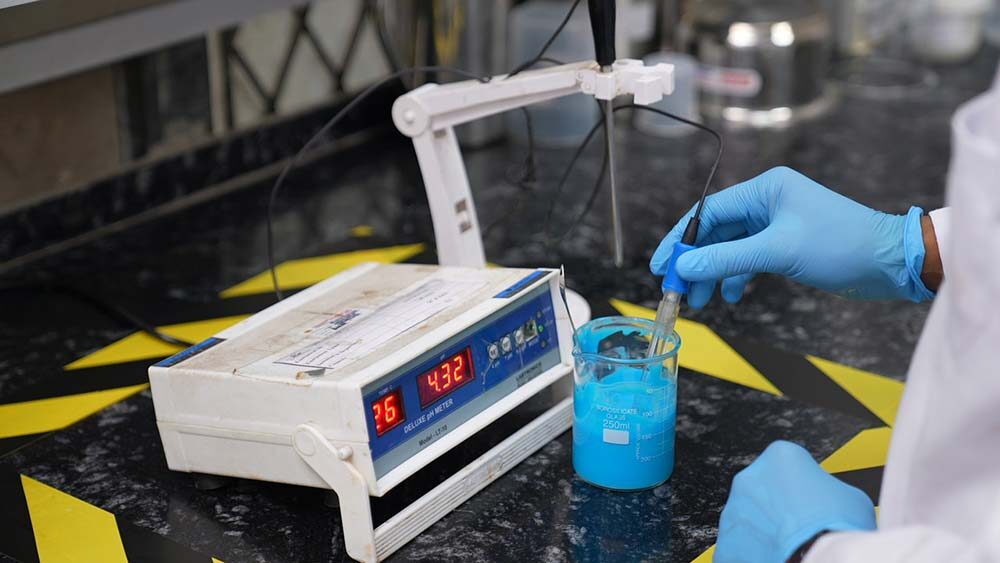
A formula is only as reliable as the systems built around it. Quality assurance and stability testing are not paperwork. They are what stand between a launch and a recall.
Most skincare failures do not happen in the lab. They happen later — in a hot warehouse, a delayed shipment, or a jar that sat in a bathroom for eight months. Quality systems exist to catch those failures before a customer ever does.
Quality Assurance That Catches Failures Early
Good quality assurance is preventive, not reactive. It tests assumptions before they reach scale, when a problem is still small and cheap to fix.
Batch records, raw material checks, and in-process controls sound procedural until one of them saves a launch. A strong system documents every step, so a deviation is caught at batch ten, not batch ten thousand.
What stability testing should a cosmetic manufacturer provide?
A cosmetic manufacturer should run both accelerated and long-term stability testing. Accelerated testing uses elevated temperature to predict shelf life quickly. Long-term testing confirms it under real conditions. Packaging compatibility testing then checks that the formula and its container do not react over time.
I have learned to read a manufacturer by how seriously they treat testing. The ones who shortcut it are the ones whose products surprise you — and rarely in a good way.
Packaging, Compliance, and Launch Readiness
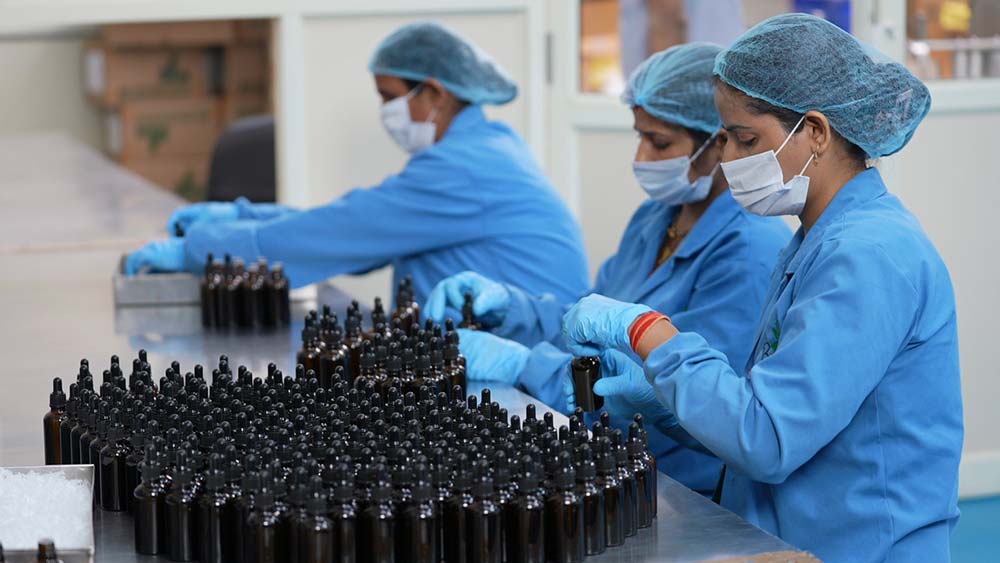
A finished formula is not a finished product. Without packaging in hand and paperwork in order, a launch date is a hope, not a plan. Many launch setbacks have little to do with formulation quality. They stem from packaging that is not ready and compliance that was never properly planned. Both sit largely on the manufacturer’s side of the line.
Packaging Coordination and Launch Timelines
Packaging and formula must arrive together. A perfect cream means nothing if its tube is eight weeks out and the launch is in three.
Component lead times, filling compatibility, and supply buffers are operational work. A manufacturer that coordinates them protects your date. One that treats packaging as your problem leaves you exposed to the part of cosmetic contract manufacturing that breaks most quietly.
Production Capacity and Supply Readiness
A launch is not protected by formulation alone. It is protected by whether the manufacturer can consistently meet demand once orders begin growing.
Production capacity, batch flexibility, and supply readiness determine whether a brand scales smoothly or faces stock-outs, delayed fulfilment, and repeated operational pressure. A manufacturer should be able to support growth without forcing changes to formulation, packaging, or timelines every time volume increases.
Why does regulatory compliance fall on the manufacturer?
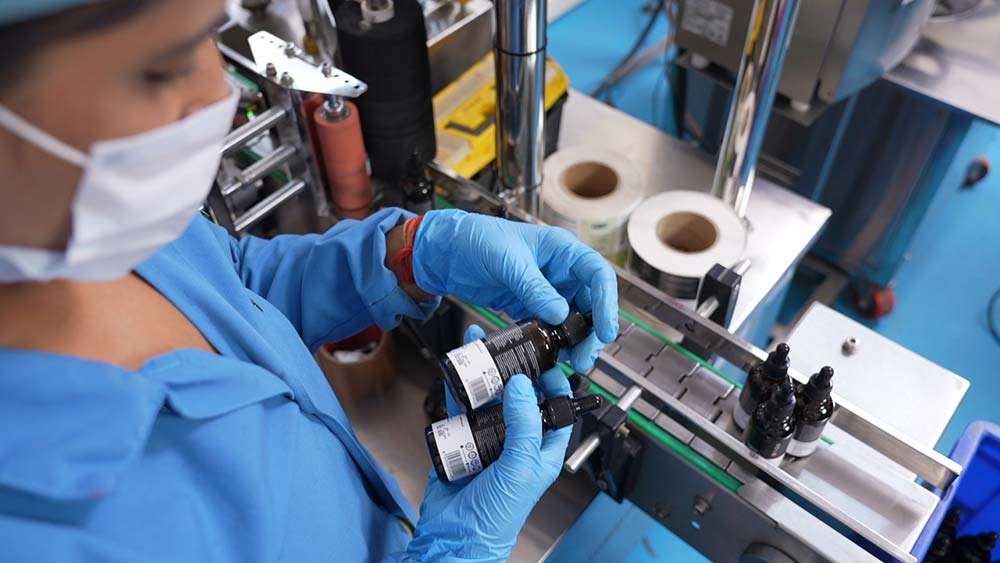
Cosmetic regulatory compliance depends on manufacturing records the brand never sees directly — batch documentation, ingredient disclosures, and safety data. The manufacturer holds this information. A partner keeps it complete and audit-ready, so a regulatory query becomes a quick answer rather than a launch-stopping scramble.
The brands that launch smoothly are rarely the ones with the best formula. They are the ones whose manufacturer treated readiness as a shared responsibility from the start.
How to Evaluate a Cosmetic Manufacturer Before You Commit
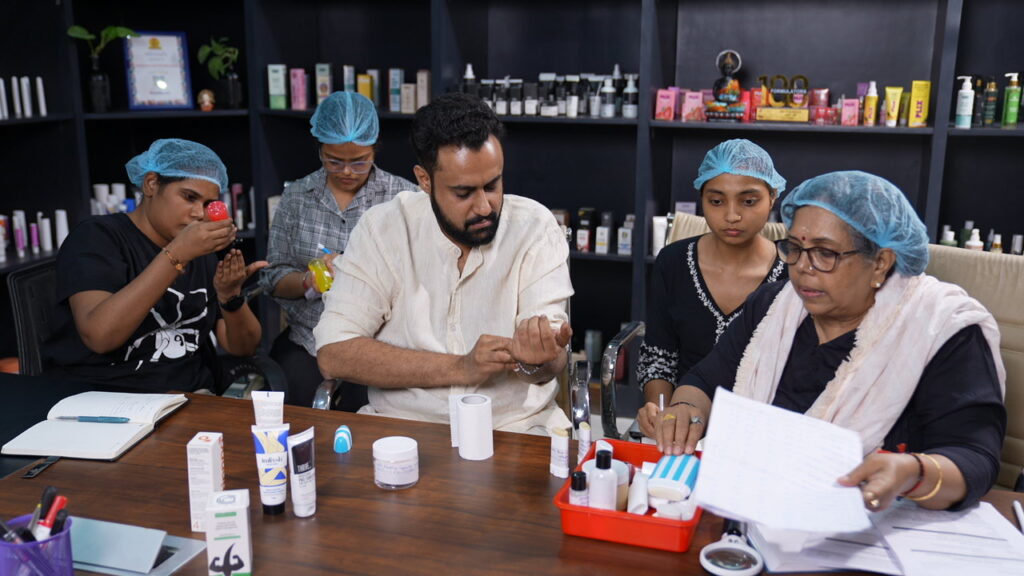
Before you sign, look past the sample and the quote. These questions separate a private label skincare manufacturer in India that protects your brand from one that simply fills it.
- Stability and QA systems: Ask what testing runs as standard, then ask to see the actual records.
- Packaging and launch coordination: Confirm who owns component sourcing, timelines, and filling compatibility before you commit.
- Regulatory compliance and documentation: Check that batch records and safety data are complete and audit-ready.
- Production capacity and scalability: Make sure they can grow with you without re-tooling your formula.
- Operational transparency: A partner shows you the process. A vendor keeps it behind a closed door.
- The price-alone trap: The cheapest quote often carries the highest hidden brand risk.
No manufacturer scores perfectly on every point. What matters is honesty about the gaps. A partner tells you where the risk sits. A vendor lets you find it later.
Also Read:
- Skin Care Moisturizer: Simplified Guide for Healthier Skin
- Beyond the Label: Unlocking the Secrets of Effective Face Wash
Conclusion
Choosing a cosmetic manufacturer is one of the few decisions that shapes every product you launch after it. The formula gets the attention. The manufacturing decision quietly determines whether that formula ever performs the way it did on the bench.
A vendor sells you a batch. A partner protects the brand you are trying to build. The difference is rarely visible in the first order. It becomes obvious in the second year.
Pick the partner whose discipline you would trust on your worst launch day, not just your best.
If you are choosing a manufacturer for your next launch, talk to our team about building it to last.
Our Digital Imprints:
Discover the power of personalized skincare with Beaucience India. We offer premium private label skincare products and services designed for established brands, physicians, estheticians, and skincare professionals.
Beaucience is dedicated to helping brands like yours thrive in the skincare market. If you’re ready to explore custom formulations that set your products apart, we invite you to reach out and learn more about our capabilities.
Our commitment to quality ensures exceptional results tailored to your needs. Stay updated with the latest trends and insights in the beauty and cosmetic industry by subscribing to our newsletter.
Reach Out To Us
“Beauty Alchemist” on Beauty and Cosmetic Industry
Join our community on : Instagram | Facebook | LinkedIn
Transform your skincare vision with Beaucience India today!