
Skincare instability rarely announces itself as a crisis. It does not arrive with alarms or recalls. It enters quietly, through a texture that feels unfamiliar, a product that behaves slightly differently, or a customer who hesitates before reordering without knowing why.
This is how skincare instability shows up in the real world. Not as a single failure, but as a gradual erosion of confidence that compounds over time. What begins as a minor inconsistency often ends as lost trust, slower repeat orders, and rising internal pressure.

At Beaucience, we have seen this pattern repeatedly across private label skincare launches. Brands often meet compliance standards, yet still face growing friction after launch because stability was treated as a technical checkpoint rather than a strategic decision.
This article examines how skincare instability impacts brand trust, returns, and internal teams, and why early formulation and manufacturing decisions quietly determine long-term commercial outcomes.
Also Read:
- Private Label Wellness Products: Expanding Beyond Skincare for Holistic Growth
- Skincare Stability Testing Is Not Optional for Modern Beauty Brands
Skincare Instability Is a Trust Problem First
Skincare instability is often treated as a technical concern, yet its first impact is emotional. When product behaviour shifts between purchases, confidence weakens quietly. Long before skincare returns appear, brand trust erodes, because product consistency underpins loyalty, belief, and repeat choice.
Instability Rarely Starts as a Single Failure
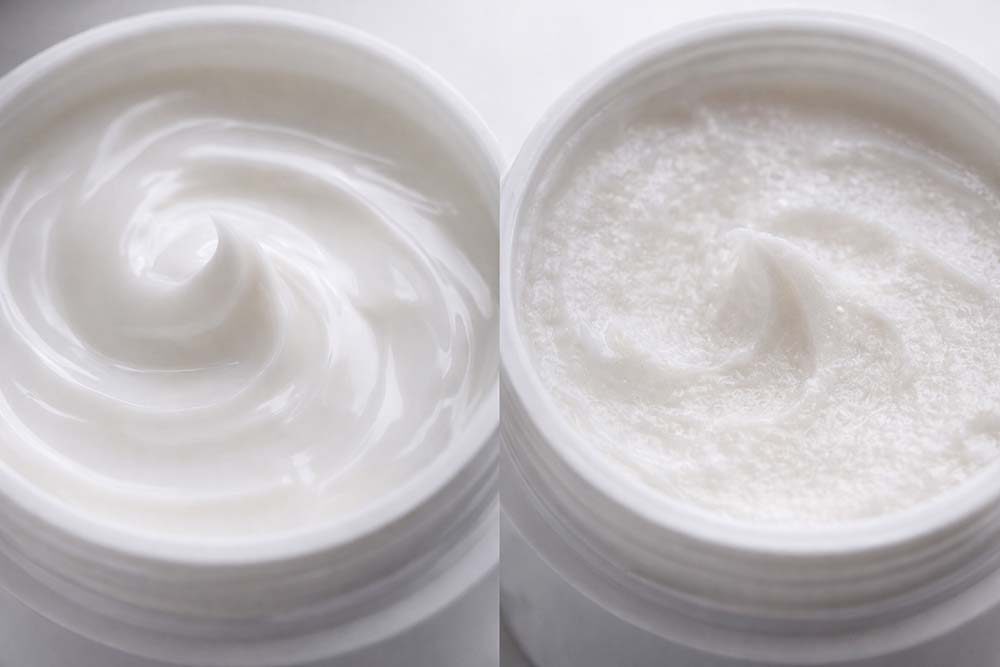
Instability rarely begins with something visibly “going wrong.” In most brands, skincare instability starts with subtle variation, such as formulations behaving differently across seasons or batches that meet specifications but feel inconsistent in use. These moments rarely feel urgent. As a result, instability is treated as a technical issue rather than a business risk. Teams assume compliance protects brand trust, but trust is not binary. It erodes gradually, especially in skincare, where daily use turns small inconsistencies into growing doubt over time.
Consistency Is the Only Experience Customers Measure
Customers do not experience formulations in controlled conditions. They experience them over weeks and months, often repurchasing the same product multiple times. This is where product consistency becomes the only experience customers measure.
A cream that absorbs more slowly, a serum that feels lighter than before, or a cleanser that no longer delivers the same reassurance may not indicate failure. However, these shifts interrupt familiarity. From the customer’s perspective, reliability sustains habit, loyalty, and repeat purchase.
How Small Inconsistencies Quietly Weaken Brand Trust
Brand trust in skincare is built on predictability. When predictability slips, customers hesitate, experiment with alternatives, or delay reordering. By the time skincare returns or complaints become visible, trust erosion has already occurred, especially for private label skincare brands operating at scale.
Returns and Complaints Are Lagging Indicators
Returns and complaints rarely mark the beginning of a problem. They usually surface after dissatisfaction has already settled in. By the time customers reach out or initiate skincare returns, brand trust has often been tested more than once. What appears as a sudden spike in issues is typically the delayed result of earlier inconsistencies that went unnoticed or unaddressed. In this sense, returns and complaints are not root causes, but signals that underlying confidence has already started to slip.
Cosmetic Product Returns Reflect Accumulated Friction
When cosmetic product returns increase, they are often treated as isolated incidents. A customer “didn’t like the feeling,” or the product “didn’t suit them.” In many cases, however, skincare returns are the visible outcome of accumulated friction rather than a single failure.
Customers rarely return products because of one imperfect experience. They return them because something no longer aligns with expectation. Skincare instability creates that misalignment gradually. By the time returns appear, dissatisfaction has already matured and tolerance has been exhausted.
This is why returns are better understood as symptoms rather than root causes. They indicate that trust erosion has reached a point where customers disengage instead of adjusting.
Post-Launch Fallout Creates Hidden Operational Strain
Instability also carries an internal cost that is rarely modelled upfront. As complaints rise, teams shift into reaction mode. Customer support handles ambiguous concerns. Operations manages unpredictable inventory flows. Leadership is pulled into recurring problem-solving cycles that remain unresolved.
This post-launch fallout rarely appears as a single line item. Instead, it accumulates as distraction, emotional load, and decision fatigue, affecting morale and focus as much as margins.
Why Brands Underestimate the Real Cost of Instability
Many brands underestimate skincare instability because it is framed narrowly as a formulation issue. As long as stability appears acceptable on paper, risk is assumed to be contained. What gets missed is how instability travels into customer perception, operational rhythm, and long-term brand trust, especially in private label skincare.
Returns and complaints are not operational surprises. They are delayed signals of earlier instability that went unaddressed. Brands that treat these signals as isolated issues often absorb repeated friction, while those that design for consistency reduce stress, cost, and erosion of brand trust.
Stability Is a Strategic Decision Made Early
Stability is shaped long before a product reaches the market. Early formulation and manufacturing choices quietly define consistency, customer experience, and operational pressure, making stability a strategic decision rather than a reactive correction.
- Consistency over compliance: Customers judge skincare through repeated use, not documentation or claims. Products earn confidence when they feel and perform the same across purchases, seasons, and batches, regardless of technical compliance.
- Customer-facing promise: Compliance protects a brand on paper, but product consistency protects brand trust in daily use. A product can meet every standard and still lose credibility if lived experience varies.
- Decisions made before launch: Stability cannot be fully corrected after launch. By then, habits form, expectations set in, and trust has already been tested through repeated interaction with the product.
- Commercial consequences of early trade-offs: Early formulation compromises often reappear months later as hesitation, slower repeat orders, and increased support load that quietly erodes margins and focus.
- Operational strain compounds: Instability creates hidden internal costs through additional testing, explanations, compensations, and firefighting, pulling teams into reactive cycles instead of planned execution.
- Why private label feels it faster: In private label skincare manufacturing, multiple batches, faster timelines, and shared ownership allow small inconsistencies to travel further and surface more quickly across markets.
- Shared responsibility: Stability in private label environments is not owned by one function. It is distributed across partners, priorities, and early alignment decisions that either reinforce control or amplify stress.
Stability is not a safeguard added later. It is an early decision that protects brand trust, reduces operational friction, and allows private label skincare brands to scale with predictability instead of correction.
Also Read:
Beaucience as a Partner in Protecting Trust and Calm
Beaucience works with brands that view stability as a commercial safeguard, not a technical checkbox. The objective is not only to launch products that perform on day one, but to build skincare lines that remain consistent, trusted, and repeatable over time. By designing formulations for long-term product consistency, Beaucience helps reduce skincare returns, protect brand trust, and prevent post-launch operational strain.
Our approach prioritises predictable performance over reactive fixes. This allows teams to scale without constant reformulation, firefighting, or internal disruption. In private label skincare, where small inconsistencies travel fast, this discipline becomes a strategic advantage.
If you are building a skincare brand where stability supports repeat orders and calm operations, Beaucience is your long-term formulation and manufacturing partner for everyday skincare.
Let’s design products that scale with confidence, not correction.
Our Digital Imprints:
Discover the power of personalized skincare with Beaucience India. We offer premium private label skincare products and services designed for established brands, physicians, estheticians, and skincare professionals.
Beaucience is dedicated to helping brands like yours thrive in the skincare market. If you’re ready to explore custom formulations that set your products apart, we invite you to reach out and learn more about our capabilities.
Our commitment to quality ensures exceptional results tailored to your needs. Stay updated with the latest trends and insights in the beauty and cosmetic industry by subscribing to our newsletter.
“Beauty Alchemist” on Beauty and Cosmetic Industry
Join our community on : Instagram | Facebook | LinkedIn
Transform your skincare vision with Beaucience India today!