
Despite the explosion of brightening serums and spot correctors in the global skincare market, hyperpigmentation treatment remains inconsistent in cosmetic dermatology. Clinical reports suggest over 60 percent of adults experience hyperpigmentation. Results remain unpredictable because most products rely on single “hero ingredients” instead of coordinated treatment systems for everyday skincare.
At Beaucience, hyperpigmentation treatment begins with formulation architecture. In our private label development experience, durable pigmentation correction depends on how actives are structured. Compatibility, stability, and layered biological targeting determine whether ingredients like tranexamic acid deliver measurable results.

The structural problem across the industry is clear. Many brightening products rely on isolated ingredients or marketing-led skin brightening claims without addressing pathway synergy, pH compatibility, or barrier recovery. This often leads to short-lived improvement followed by the recurrence of dark spots, particularly in melasma treatment scenarios.
In this article, we explain how multi-active formulation systems built around tranexamic acid enable stable and scalable hyperpigmentation treatment platforms designed for professional-grade pigmentation correction.
Also Read:
- Beaucience Body Care Products: Self-Care with Premium Scrubs
- Scalp Care 101: The Secret to Healthy Hair Growth
Hyperpigmentation Treatment Through Multi-Active Brightening Architecture
Effective hyperpigmentation treatment requires architectural thinking. Pigment formation is biologically layered and therefore, the formulation must mirror that structure. Some valuable insights in this context are shared in the below sections.
Mapping Layered Brightening Pathways
Hyperpigmentation treatment requires addressing multiple biological triggers involved in melanin production and skin brightening pathways.
Melanin production is initiated by UV signalling, inflammatory mediators, hormonal fluctuations, and oxidative stress. Addressing only one checkpoint rarely delivers durable results.
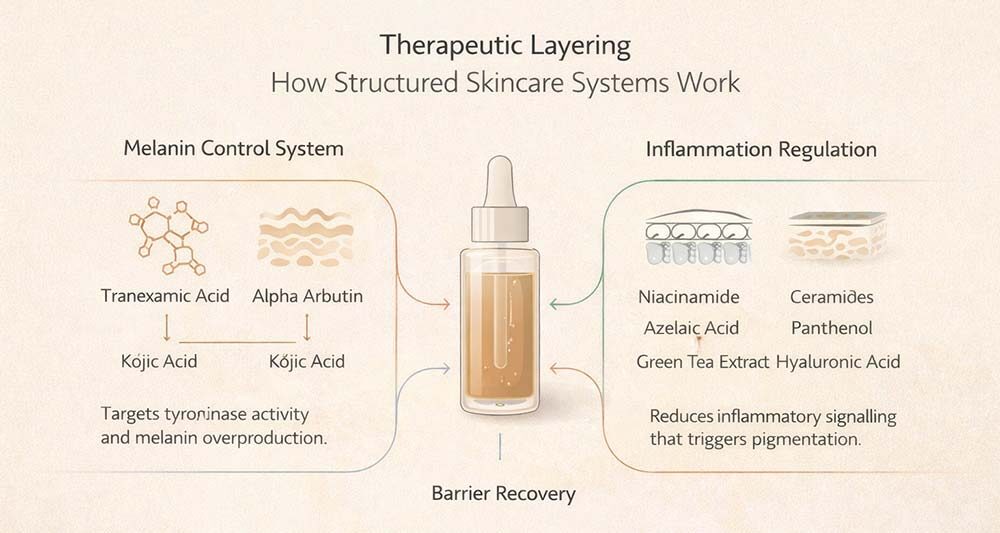
When we design a skin brightening platform, we create a multi-level intervention model. At the upstream level, tranexamic acid reduces plasmin activity, helping moderate melanocyte overstimulation commonly seen in melasma treatment protocols.
Mid-pathway, we incorporate tyrosinase-regulating agents that reduce melanin synthesis. Downstream, we integrate ingredients that help regulate pigment transfer and support even dispersion across keratinocytes.
Barrier reinforcement is never optional. Without strengthening the stratum corneum, inflammation persists and dark spots recur.
Layered pathway targeting ensures hyperpigmentation treatment focuses on melanin control, pigment transfer regulation, and barrier stability rather than isolated skin brightening interventions.
Compatibility Mapping and pH Logic
Effective hyperpigmentation treatment formulations depend on ingredient compatibility and pH stability.
Ingredient stacking without compatibility logic compromises efficacy. Tranexamic acid performs optimally within a defined pH range. Pairing it with niacinamide, selected antioxidants, or pigment regulators requires calibrated buffer systems.
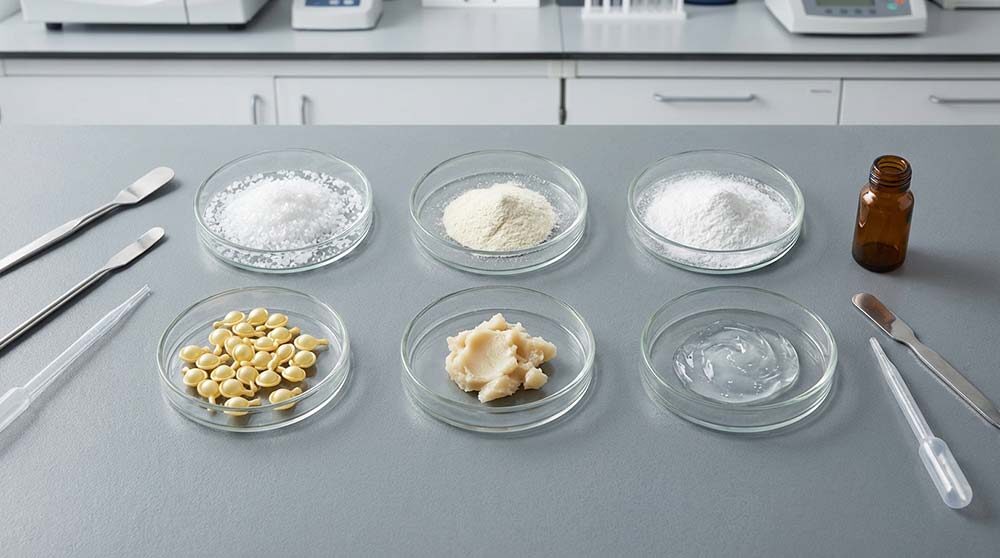
We engineer formulations where:
- Active stability remains intact across shelf life.
- pH corridors support synergistic performance.
- Irritation risk is minimised through controlled release.
- Oxidative degradation is prevented through antioxidant scaffolding.
This structured compatibility mapping transforms a brightening serum from a marketing blend into a functional hyperpigmentation treatment platform.
Architectural design, not ingredient trend adoption, defines professional-grade pigmentation correction systems.
Stability Testing and Texture Engineering in Hyperpigmentation Treatment Platforms
Scientific logic must be validated through performance stability. Without rigorous testing, even intelligently designed hyperpigmentation treatment systems degrade under real-world conditions. Some important points in this context are discussed below.
Stability Framework for Active Integrity
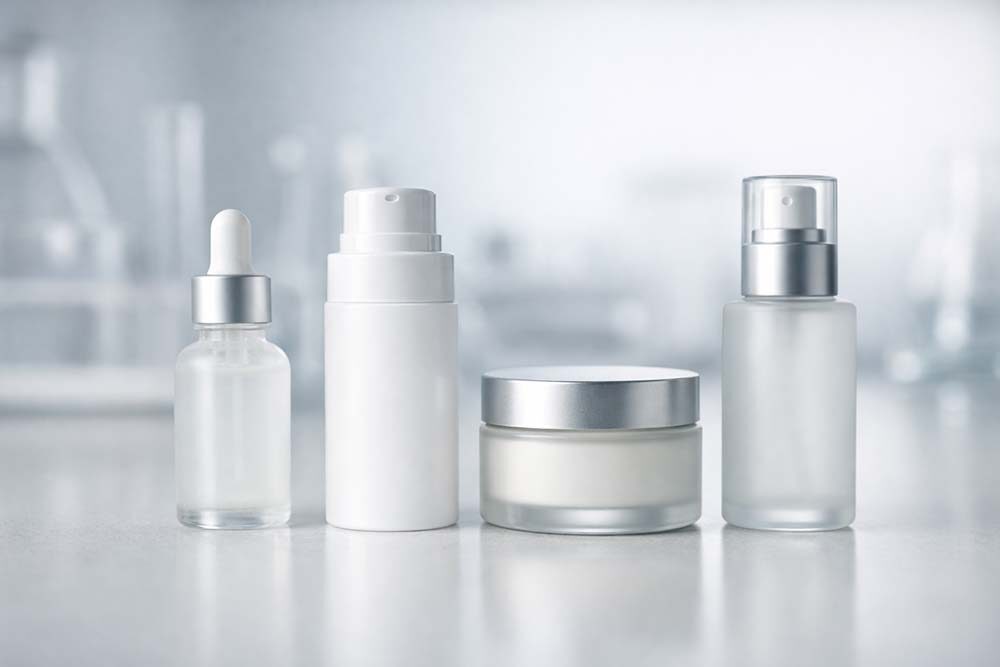
Stability testing ensures tranexamic acid formulations maintain active integrity, prevent degradation, and deliver consistent hyperpigmentation treatment performance throughout the product lifecycle. Tranexamic acid is inherently stable, but its surrounding matrix determines longevity. We conduct accelerated stability testing across temperature variations, humidity exposure, and light stress. We evaluate pH drift, emulsion separation, preservative resilience, and active retention levels.
This ensures that the pigmentation correction promise remains consistent from first application to final use. In melasma treatment positioning, consistency is critical. Patients require predictable performance over extended cycles of use.
Why is stability testing important in hyperpigmentation treatment formulations?
Stability testing ensures that active ingredients such as tranexamic acid remain effective throughout a product’s shelf life. Without stability validation, exposure to heat, humidity, light, or pH drift can degrade actives, destabilize emulsions, and reduce pigmentation correction efficacy in hyperpigmentation treatment systems.
Stability and sensorial engineering convert formulation theory into dependable hyperpigmentation treatment performance.
Layered Correction vs Single Ingredient Strategies in Hyperpigmentation Treatment
Pigmentation biology involves multiple signalling pathways. Effective hyperpigmentation treatment therefore requires coordinated intervention across these pathways rather than relying on isolated active ingredients. Some crucial points in this regard are explained below.
Why Layered Systems Outperform Isolated Actives
Single-ingredient brightening solutions typically address only one biological checkpoint. Hyperpigmentation treatment becomes more reliable when formulation systems regulate multiple triggers simultaneously.
- Upstream regulation: Reduces inflammatory signalling that overstimulates melanocytes and contributes to recurring dark spots.
- Mid-pathway control: Slows melanin synthesis by moderating enzymatic pathways associated with pigmentation.
- Downstream modulation: Supports balanced pigment transfer and distribution across keratinocytes.
- Barrier reinforcement: Strengthens the skin barrier, reducing irritation cycles that often trigger melasma relapse.

Integrating Tranexamic Acid into Layered Platforms
Tranexamic acid plays a central role in modern pigmentation correction systems because it regulates plasmin-mediated pathways linked to melasma treatment. However, its performance improves significantly when incorporated into structured multi-active systems.
- Plasmin pathway regulation: Helps reduce melanocyte overstimulation associated with inflammation and UV signalling.
- Oxidative stress control: Complementary antioxidants stabilise pigment regulation mechanisms.
- Melanin transfer management: Supporting actives help regulate pigment distribution across skin layers.
- Formulation compatibility: Layered systems maintain stability while enhancing the effectiveness of skin brightening actives.
How does tranexamic acid reduce hyperpigmentation?
Tranexamic acid reduces hyperpigmentation by inhibiting plasmin activity in the skin. This limits inflammatory signals that overstimulate melanocytes and trigger excess melanin production. As a result, it helps reduce melasma and dark spots when used within structured brightening systems.
Layered correction strategies align biological understanding with formulation architecture. This approach transforms cosmetic skin brightening products into structured hyperpigmentation treatment platforms designed for durable pigmentation correction.
Private Label Scalability Framework for Structured Hyperpigmentation Treatment
For brands, innovation must scale. A well-designed pigmentation correction platform must transition seamlessly from laboratory concept to global distribution.
Our scalability framework ensures:
- Modular Active Architecture: We design concentration flexibility for regulatory variation and market positioning without disrupting compatibility balance.
- Technical Compatibility Dossiers: Detailed documentation supports regulatory approval and claims substantiation in multiple regions.
- Climate-Responsive Stability Testing: Formulations are validated for performance across tropical and temperate supply chains.
- Texture Customisation Pathways: Sensorial profiles can be adapted while preserving active synergy and pH logic.
- Manufacturing Transfer Protocols: Pilot batches are engineered for consistent scale-up without compromising tranexamic acid integrity.
This system enables brands to launch hyperpigmentation treatment solutions that are scientifically coherent, commercially viable, and structurally robust. Scalability is not an afterthought. It is embedded at the formulation stage.
Also Read:
- Quality Testing in the Skincare Supply Chain: 5 Essential Best Practices
- Mastering Skincare Ingredients: The Ultimate Guide to Formulation with Purpose
Conclusion
Hyperpigmentation treatment requires structured biological alignment rather than trend-driven ingredient inclusion. While tranexamic acid plays a powerful role in regulating melanocyte stimulation, its true performance emerges within compatibility-mapped, multi-active formulation systems.
Effective pigmentation correction demands layered pathway targeting, stability engineering, and texture optimisation that support consistent ingredient delivery. When supported by scalable formulation architecture, these systems move beyond cosmetic skin brightening to deliver controlled dark spots reduction and long-term melasma management.
Structured formulation design ensures hyperpigmentation treatment remains stable, effective, and commercially scalable across diverse markets and regulatory environments.
Partner with Beaucience to develop scientifically structured hyperpigmentation treatment systems engineered for private label brands seeking stable, scalable, and clinically credible pigmentation correction solutions.
Our Digital Imprints:
Discover the power of personalized skincare with Beaucience India. We offer premium private label skincare products and services designed for established brands, physicians, estheticians, and skincare professionals.
Beaucience is dedicated to helping brands like yours thrive in the skincare market. If you’re ready to explore custom formulations that set your products apart, we invite you to reach out and learn more about our capabilities.
Our commitment to quality ensures exceptional results tailored to your needs. Stay updated with the latest trends and insights in the beauty and cosmetic industry by subscribing to our newsletter.
“Beauty Alchemist” on Beauty and Cosmetic Industry
Join our community on : Instagram | Facebook | LinkedIn
Transform your skincare vision with Beaucience India today!