
Beauty trends come and go, but every now and then, the industry experiences a shift that changes how new products are developed. According to McKinsey’s beauty industry outlook, consumers are increasingly prioritizing efficacy, personalization, and wellness-driven experiences over trend-led purchases. These changing expectations are already influencing new product development across the beauty industry.
A few years ago, many product discussions revolved around ingredients. Brands wanted niacinamide, vitamin C, peptides, or the next trending active. Those conversations still happen, but consumers now expect more than ingredient-led claims, making skincare product development increasingly focused on experience, personalization, and measurable results.
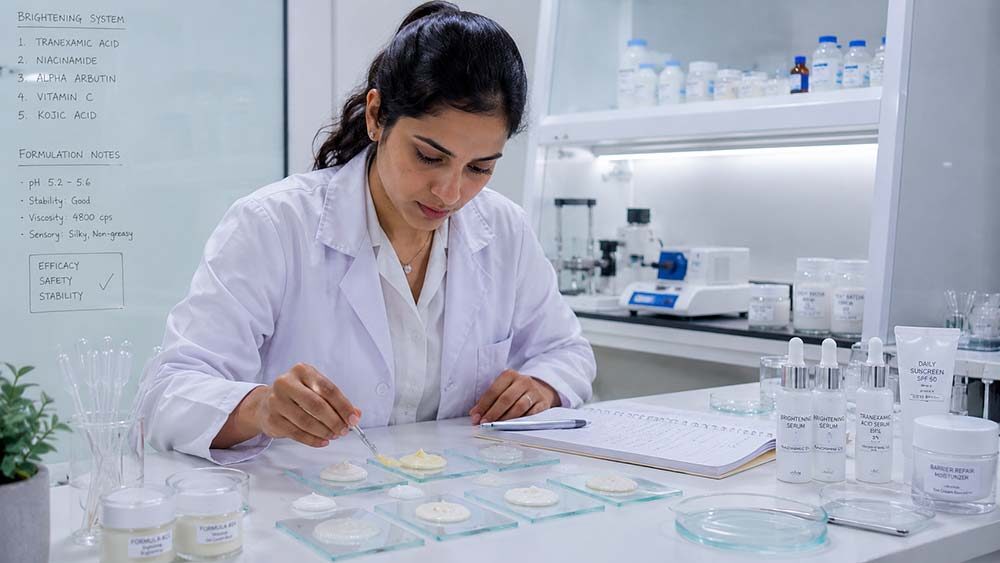
Since 2016, Beaucience India has supported beauty brands across multiple categories through custom formulation, private label skincare, and new product development, offering firsthand insight into how successful products move from concept to commercial launch.
This year, brands are focusing on a different set of priorities when developing new products. Some of these shifts are already influencing decisions at the formulation stage.
Also Read:
- Cellular Skincare Actives in Private Label Formulation
- pH Balanced Skincare: Why Formulation Balance Defines Results
Consumer Priorities Are Redefining Product Development
Ingredients still matter, but they are no longer carrying the entire conversation. Brands are asking different questions today, and that is changing the way new products are planned and developed.
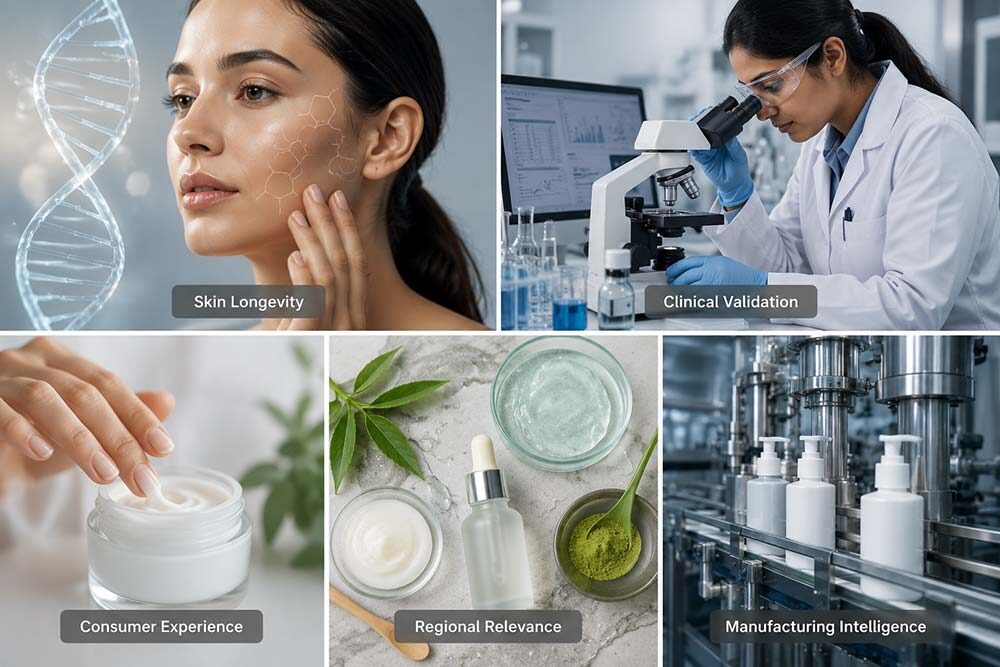
1. Skin Longevity Is Emerging as a Dedicated Formulation Category
Skin longevity has moved beyond trend reports and industry discussions. It is finding its way into actual product briefs, especially among brands looking to build products with long-term relevance.
For skincare over 30, the idea is fairly straightforward. Rather than concentrating on a single age-related concern, brands are exploring formulations that help support healthy-looking skin over time. Barrier repair, hydration, antioxidant protection, and skin resilience often sit at the center of these conversations.

2. Clinical Validation Is Replacing Marketing-Led Differentiation
A good marketing story can generate interest, but brands also need proof behind the claims about clinical skincare. That is one reason clinical testing and efficacy data are receiving more attention during product development.
Many founders would rather address validation requirements early than revisit them later. Clear evidence-based skincare can strengthen product positioning and make claims easier to support once the product reaches the market.
Key Takeaway: For many brands, the conversation is shifting from “What ingredient should we use?” to “How can we create a product that people trust and continue using?”
Regional Relevance Is Influencing Beauty Innovation
Emerging Beauty trends may travel quickly, but consumer preferences often remain deeply connected to local lifestyles, climates, and cultural expectations. As brands invest in new product development, understanding regional differences is becoming an important part of skincare product development and formulation strategy.
3. Cultural Beauty Preferences Are Shaping Product Development
A skincare product is rarely judged on performance alone. Climate, daily routines, and familiarity with certain ingredients can all influence how consumers respond to a formulation. Texture is a good example. Gel-based moisturizers may be preferred in hot and humid regions, while richer creams often appeal to consumers living in colder climates. What works well in one market may not generate the same response elsewhere. As a result, brands are paying closer attention to regional insights during formulation development.
4. Consumer Experience Is Influencing Formulation Decisions
Consumers are also placing greater emphasis on how products feel during everyday use. Absorption, texture, finish, fragrance, and overall sensory experience can influence both adoption and repurchase behaviour. A product may contain effective ingredients, but if it feels unpleasant to apply, long-term success can be difficult to achieve. This is encouraging brands to balance efficacy with usability when developing products. Increasingly, skincare innovation is being shaped not only by performance claims but also by the overall experience delivered to the consumer.
Key Takeaway: Understanding local preferences and consumer experience is helping brands create products that feel more relevant, differentiated, and commercially successful.
Manufacturing Intelligence Is Shaping Launch Success
As beauty brands focus on new product development, attention is shifting beyond formulation concepts alone. Increasingly, brands are recognizing that manufacturing decisions can influence product quality, launch timelines, scalability, and long-term commercial success. What happens after formulation is often just as important as the formulation itself.
Working with an experienced cosmetic manufacturer can help brands identify formulation and scalability challenges early in the development process.
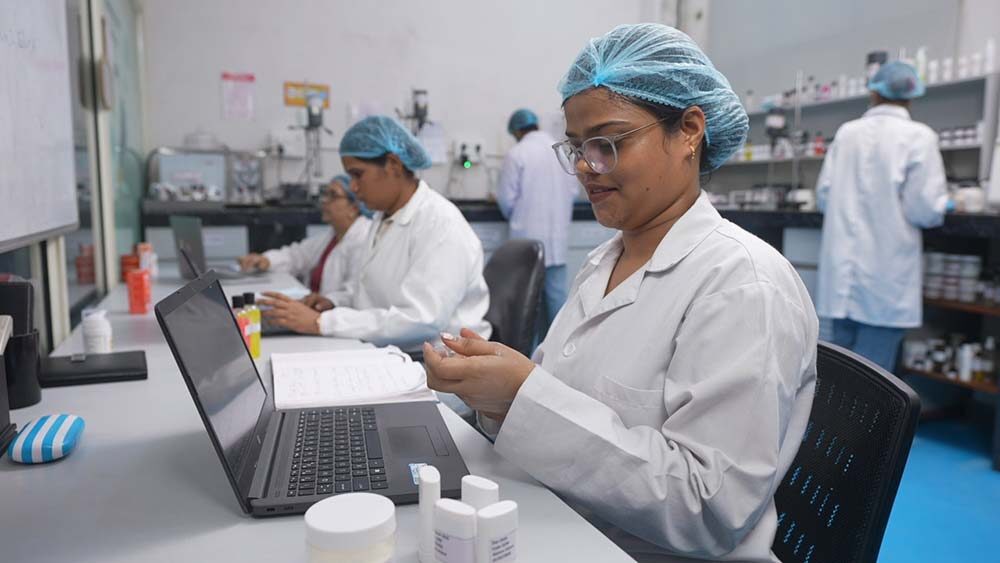
5. The Role of R&D and Manufacturing Intelligence in Future Launches
Coming up with a product idea is one thing, developing it is something else entirely. A formulation may require multiple rounds of refinement before it is ready for market. Stability testing, compatibility assessments, packaging evaluations, and production planning all play a role in ensuring a successful launch. This is why R&D and manufacturing teams remain closely involved throughout the product development process. Their expertise helps identify potential challenges early, reducing the risk of costly delays and improving launch readiness.
Why Does Manufacturing Intelligence Matter in New Product Development?
Manufacturing intelligence helps brands identify formulation, stability, packaging, and scalability risks before launch. By integrating R&D, testing, and production planning early, brands can improve product quality, accelerate timelines, support private label manufacturing, and create a more reliable product launch strategy.
Key Takeaway: A strong concept matters, but manufacturing intelligence often determines whether a product successfully reaches the market and performs consistently at scale.
How Private Label Brands Should Adapt Product Briefs for 2026
The beauty industry is becoming more complex, and successful brands are responding with greater clarity at the planning stage. Ingredients may start the conversation, but they no longer define how successful new product development takes place in the beauty industry. Today’s product decisions must balance consumer expectations, formulation feasibility, testing requirements, manufacturing realities, and long-term brand positioning from the very beginning.
As brands prepare future launches, some of the most important considerations now include:
- Skin Longevity Objectives: Build products around long-term skin health, barrier support, and resilience rather than single-claim positioning.
- Clinical Validation Requirements: Define testing, efficacy support, and claim substantiation early to strengthen credibility and consumer trust.
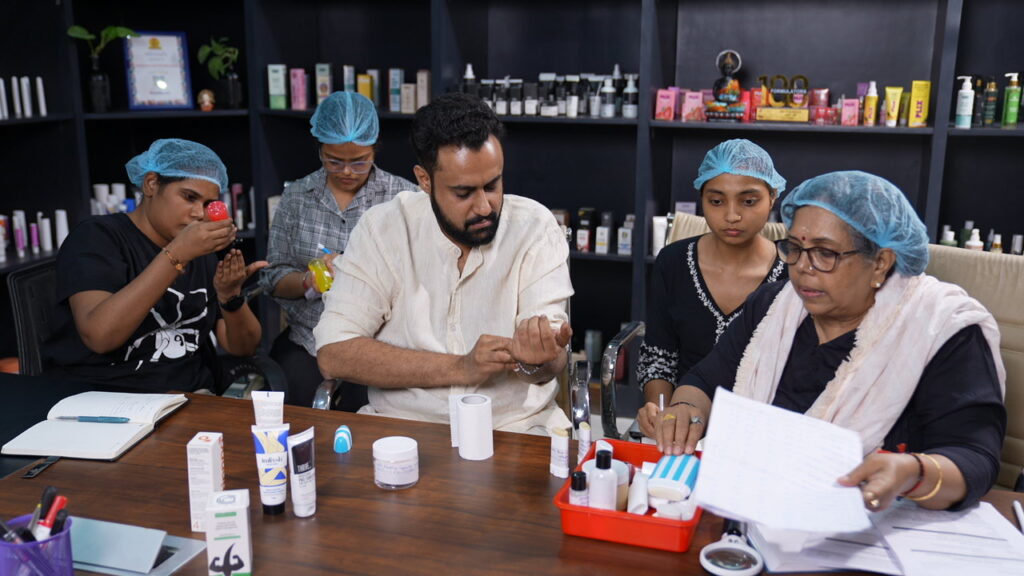
- Consumer Experience Design: Consider texture, absorption, finish, and sensory experience alongside formulation performance.
- Regional Market Relevance: Adapt formulations to local climates, consumer habits, and beauty preferences to improve product-market fit.
- Formulation and Manufacturing Alignment: Ensure custom formulation decisions support stability, scalability, and production efficiency.
- Regulatory and Compliance Readiness: Address packaging, documentation, and compliance requirements before launch planning begins.
- Launch Scalability Planning: Evaluate production capacity, supply readiness, and future growth requirements during product development.
The strongest products rarely succeed because of one ingredient or one trend. They succeed because every decision, from concept to commercialization, is aligned around a clear product strategy.
Also Read:
Conclusion
New product development is becoming more strategic as beauty brands respond to changing consumer expectations. While ingredients remain important, they are now part of a broader conversation that includes skin longevity, clinical validation, consumer experience, regional relevance, and manufacturing intelligence. Together, these shifts are influencing how successful beauty products are planned, formulated, and launched.
For brands, the opportunity is not simply to follow trends but to translate them into products that are credible, differentiated, and built for long-term growth. The decisions made during the early stages of product development often determine how effectively a product performs in the market.
Looking to accelerate your next skincare launch? Partner with Beaucience India for custom formulation, private label skincare, and new product development solutions designed to transform ideas into scalable, market-ready products.
Our Digital Imprints:
Discover the power of personalized skincare with Beaucience India. We offer premium private label skincare products and services designed for established brands, physicians, estheticians, and skincare professionals.
Beaucience is dedicated to helping brands like yours thrive in the skincare market. If you’re ready to explore custom formulations that set your products apart, we invite you to reach out and learn more about our capabilities.
Our commitment to quality ensures exceptional results tailored to your needs. Stay updated with the latest trends and insights in the beauty and cosmetic industry by subscribing to our newsletter.
Reach Out To Us
“Beauty Alchemist” on Beauty and Cosmetic Industry
Join our community on : Instagram | Facebook | LinkedIn
Transform your skincare vision with Beaucience India today!